
A well-designed executive office outfitted with high-quality furniture can enhance productivity and focus while reflecting the company’s brand, culture and values. Thoughtful design decisions should emphasize authority and streamline the responsibilities of the executive role. With the right color palette, ergonomic furniture and aesthetic designs, you elevate the workspace into a comfortable and efficient office.
Portraying an image of sophistication, cleanliness and luxury demonstrates the company’s profitability, creating a positive impression on clients. An effective, efficient and inspiring workspace can also provide many benefits to executives themselves, including increased comfort and boosted creativity. Learn how to improve your executive office by implementing modern design.
Modern Executive Office Design Ideas
The goal for an executive office’s design and layout is to maximize functionality while including stylish touches that add personality and inspiration. Finding the balance between comfort and professionalism is key to promoting productivity.
Embrace Industrial Features
Contemporary executive office design centers around industrial aesthetics. These design features can promote a simple and organized appearance that minimizes distractions and increases focus. Industrial design components include:
- Sleek, modern furniture
- Glass and metal accents
- Clean lines
- Exposed brick, ductwork and lighting
- Warm earth tones, such as unfinished wood
- Natural lighting through oversized windows and skylights
Incorporate Ergonomic Furniture
Modern office design prioritizes a balance between style and ergonomics. Ergonomics focuses on creating an environment to suit a person and their job’s requirements. When the office space promotes comfortable positioning, workers can work more happily and productively, including executives. This demanding role sometimes requires hours of sitting, so finding comfortable furniture — that still looks stylish and professional — is crucial to ensuring health and well-being.
Fill your executive office with ergonomic furniture such as:
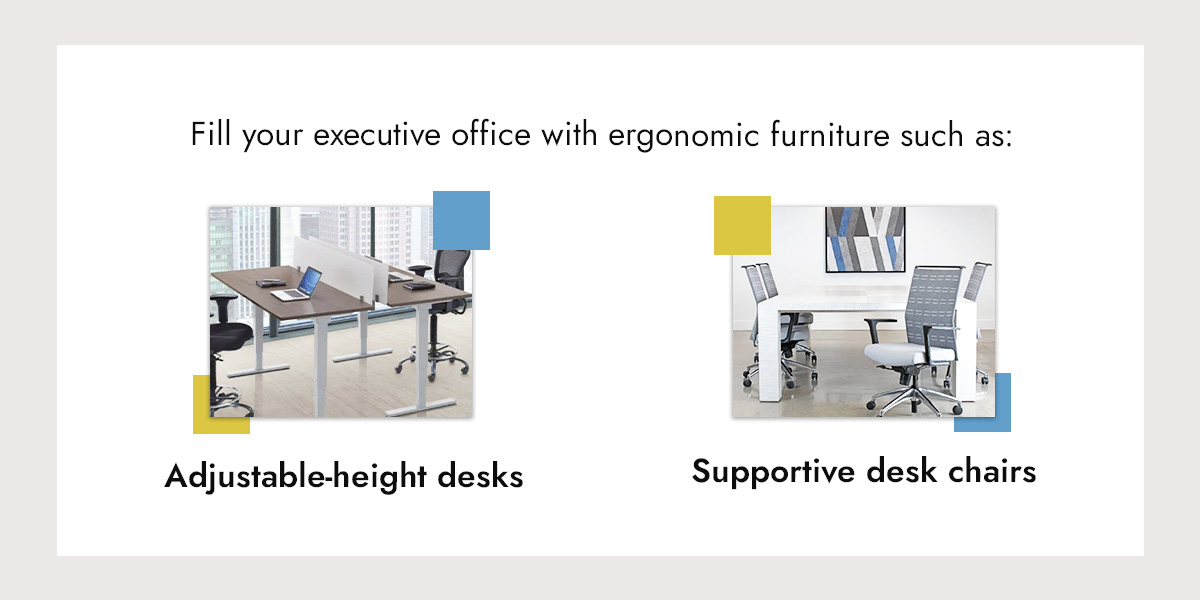
- Adjustable-height desks: Your desk sets the tone for the rest of the office. It needs to be spacious, comfortable and stylish to suit the needs of your role. A sturdy adjustable-height desk gives you the flexibility to sit or stand throughout the day, enabling you to encourage blood flow, mental clarity and personal comfort.
- Supportive desk chairs: Ergonomic desk chairs provide lumbar support, adjustable armrests, breathable mesh and other features to ensure your comfort when sitting for long hours. These chairs can provide sufficient back support and encourage productivity while still appearing professional and stylish.
Space Optimization for Executives
Maximizing available office space is critical to improving the room’s flow and appearance while enhancing communication and productivity. Depending on your organization and your executive responsibilities, your entire office building may benefit from an open layout where all teams and executives work together. Low- and high-privacy cubicles can help create defined, personal spaces while keeping the room spacious and tidy.
Some executives may benefit more from a closed office layout that provides the privacy and quiet required to meet with clients, conduct virtual meetings and fulfill other responsibilities. Multipurpose furniture, such as adjustable chairs and desks, can help create a dynamic office space. The right furniture options can transform your office depending on your needs, from hosting collaborative brainstorming sessions to focusing on quiet deep work.
Small Executive Office Design Tips
Space optimization techniques are particularly important in small offices, where clutter can build and cause stress. As you maximize the available area, you can help the room feel more open and tidy, leading to increased productivity and improved mood. Implement space-saving tips such as:
- Using multifunctional furniture: Desks, chairs and sofas that can easily move around and serve different needs enable you to improve flow and movement throughout your office.
- Maximizing natural light: Open floor plans, light-colored walls and clean windows and skylights can increase natural lighting, making a space feel bigger and more airy.
- Implementing storage solutions: Storing loose items such as paper, pens or cords in the drawers of your executive desk, a filing cabinet or another storage option helps declutter the room.
- Minimizing decorations: Keep trinkets, wall art and other decorations to a minimum to maximize white space and reduce clutter.
Aesthetic Considerations in Executive Offices
Your executive office’s appearance can have a significant effect on your mental state and ability to work productively. Implementing minimalist trends and color psychology enables you to craft the ideal workspace for your needs and personality.
Minimalist Design
While adding personal touches such as family photos, plants or meaningful knick-knacks to your office can make the space feel more comfortable, it is best to keep these adornments minimal to avoid cluttering the space or causing distractions. Negative space can help direct attention to the tasks at hand. Any decorations included should be professional and effective at enhancing the aesthetics and functionality of your office.
Your executive office’s appearance conveys your work style and professionalism. A minimalist aesthetic can help you portray a sense of tidiness, organization and dedication to your responsibilities. Minimalism also ties in strongly with an industrial theme, ensuring everything in the office is functional and practical.
Color Psychology in Office Design
Office wall and furniture colors can affect mood and productivity. Certain colors can ignite creativity and passion, while others are better suited for encouraging relaxation and reflection. Paint colors can help you achieve the right balance between inspiration and focus.
The colors you choose for your executive office should reflect your company’s brand image while encouraging your own motivation, focus and engagement. Neutral colors are popular for executive offices because they convey professionalism and sophistication while creating a calm, serene environment conducive to deep work. Gray, cream and white also provide a suitable backdrop for any pops of color you may want to add via a piece of furniture or décor.
Client Consultation and Customization With COE Office
When you partner with COE Office for your executive office design and furniture needs, you can trust our team to take the time to understand your needs. Personalized design is key to ensuring your productivity and comfort. During a space plan and design consultation, we will gather your input and provide interior design insight to help you make informed decisions for your office.
An executive office should cater to individual work needs, habits and styles. Office designs and layouts will also depend on the organization, its values and its workflows. We understand that every business — and executive — is different and will require a tailored office plan to suit their specific needs. View our testimonials to see how we meet the needs of businesses across industries.
Schedule a Free Space Plan and Design Consultation

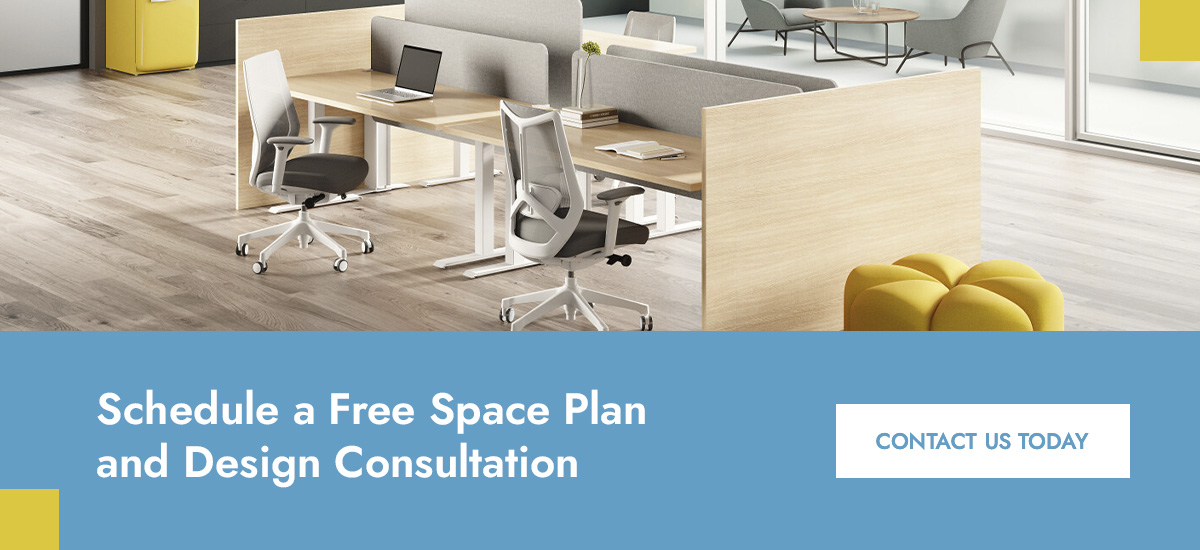
As you align aesthetics with function in your executive office, you can transform your space into a professional yet comfortable atmosphere that empowers your success. COE Office is dedicated to helping you find sophisticated, comfortable furniture for executive and CEO offices. Explore innovative executive office design ideas with our design experts when you schedule a free space plan and design consultation today.